The Hot Wheels market in 2026 is bigger, broader and more informed than it has ever been. Premium lines have matured into serious collectibles, vintage prices have held firm, and a generation that grew up on the brand now has the disposable income to chase the cars it remembers. This guide breaks the hobby into its value tiers, explains what tends to appreciate, and shows you how to value your own cars without guesswork.
The four tiers of Hot Wheels
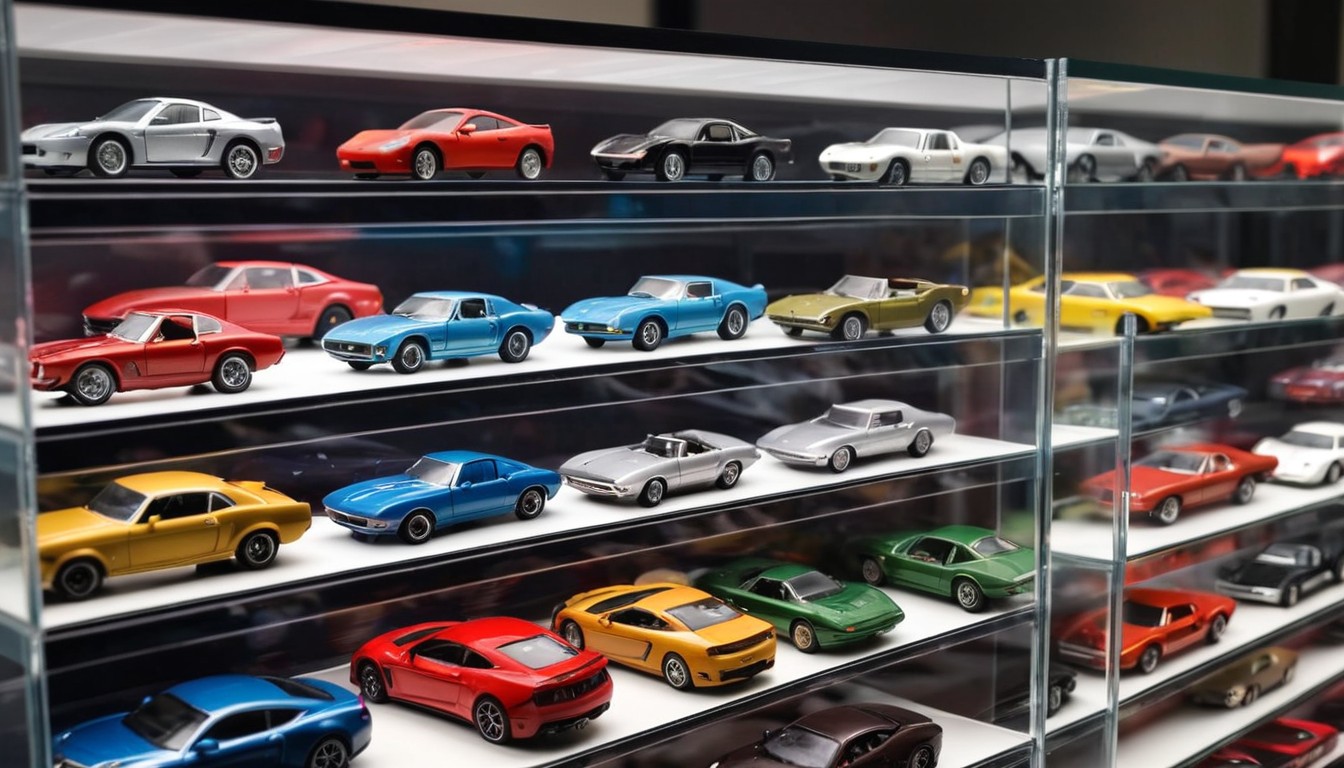
Almost everything fits into one of four buckets, and knowing which one a car belongs to tells you most of what you need about its ceiling:
Mainline. The standard carded cars sold everywhere. Made in huge numbers, they're affordable and stay close to retail — with the notable exception of Treasure Hunts and errors. Premium & Car Culture. Adult-targeted lines with metal bodies, Real Riders tyres and far higher detail. They cost more new and hold value better. RLC (Red Line Club). Mattel's paid membership and online store, which sells limited, often numbered exclusives that frequently sell out instantly and trade up on the secondary market. Vintage Redlines. The 1968–1977 originals — the blue-chip end of the hobby.
What tends to appreciate
No one can promise which specific car will rise, but patterns repeat. Limited, well-made premium releases tend to hold or grow because supply is capped and demand is adult. Sought-after licensed and JDM castings — classic Japanese performance cars, Porsches, VWs and pop-culture vehicles — enjoy deep, loyal demand. And sealed vintage in strong condition remains the most reliable store of value in the hobby. The common thread is scarcity plus genuine desirability; one without the other rarely moves the needle.
Vintage Redlines: the blue-chip era
If the hobby has a "blue-chip" tier, it's the Redline era. Named for the red stripe on the tyres, these 1968–1977 cars wear lustrous Spectraflame paint and were the foundation of the brand. Condition and colour drive enormous spreads here — a rare colourway in excellent, complete condition can be worth many times a common one — which is exactly why this is the corner of the market where careful identification and, for the best pieces, professional grading pay off.
Treasure Hunts and Super Treasure Hunts
Within the mainline, the Treasure Hunt program is where the action is. Regular Treasure Hunts wear the circled-flame logo; Super Treasure Hunts add Real Riders rubber tyres and premium Spectraflame paint and are the genuinely sought-after tier. As current-year cars, they're the most accessible "collectible" — you can still find them in stores — which keeps a steady, active market around them.
RLC and membership exclusives
Red Line Club releases sit between mainline and vintage in spirit: modern cars, but deliberately scarce and often numbered. Because allocations are limited and sell out fast, desirable RLC cars routinely trade above their original price. They're a reminder that, in this hobby, how many were made matters as much as what it is.
How to value your own cars
Tiers give you the ceiling; the specifics give you the number. Start by confirming exactly what you have — our guide to identifying a Hot Wheels casting walks through reading the base, wheels and packaging. Then work out the price using real sold data, as covered in how much your Hot Wheels is worth.
Skip the spreadsheet. Photograph a car and our AI identifies it and estimates its market value in seconds — then track your whole collection's value over time as the market moves.
Check a car's value →A word on "investing"
It's tempting to treat diecast as an asset class, and a thin slice of it behaves that way. But three truths keep collectors honest: condition is everything (a crease on the card can halve a price), most mainline cars are not investments (they're a dollar for a reason), and you should never overpay on hype — buy what you love, at sensible prices, and let the rare gems be a bonus rather than the plan. Collect first; the value tends to look after the collections that were built with genuine care.